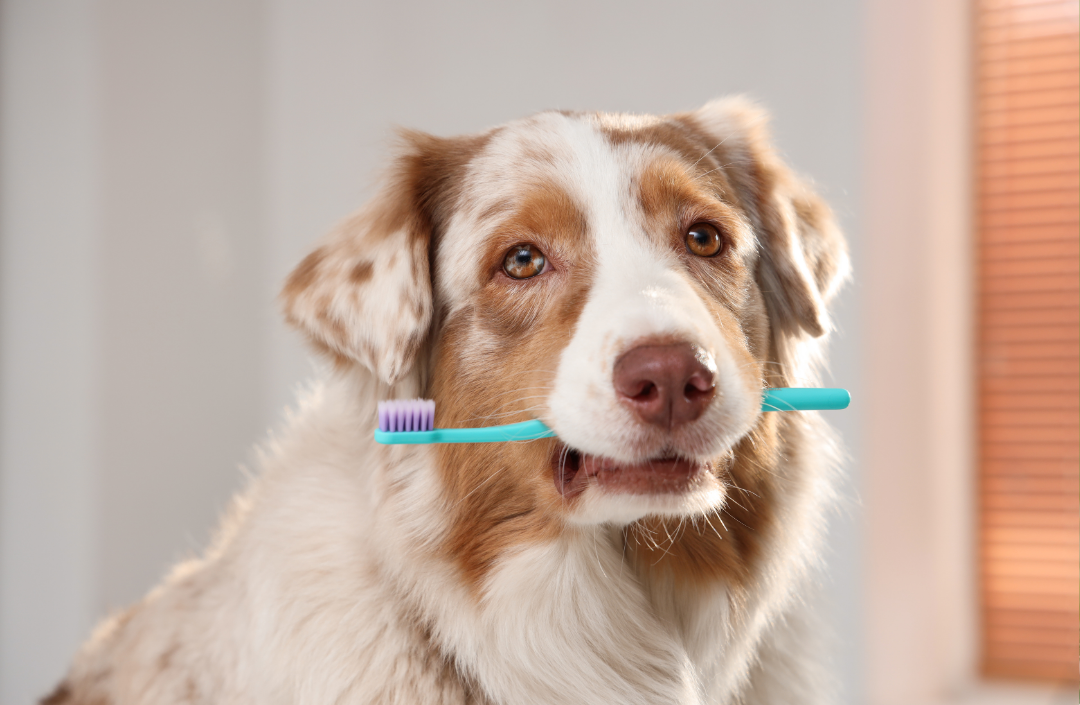
The Mouth-Body Connection
If you notice your dog or cat has chronic halitosis (bad breath), the temptation might be to treat it with breath sprays. However, bad breath is rarely just a cosmetic issue; it is often the first sign of significant dental disease, which has serious systemic implications. Bacteria from infected gums and tartar directly enter the bloodstream.
How Dental Disease Harms Organs
When bacteria from a diseased mouth travel through the bloodstream, the kidneys and heart are often the first organs stressed. Infections that start in the mouth can lead to secondary infections in the renal tubules or place undue strain on the heart valves. This is why our veterinarians stress comprehensive dental cleanings under anesthesia.
The Comprehensive Dental Procedure
A proper dental cleaning requires general anesthesia for safety and effectiveness. During the procedure, we perform thorough scaling, polishing, and, most importantly, dental X-rays (using our digital suite) to assess bone loss beneath the gumline. If disease is present, necessary extractions are performed gently, followed by post-operative pain management. This proactive surgical intervention protects their overall internal health.
Key Takeaways for Owners:
- Annual anesthetic dental cleanings are the gold standard for prevention.
- Look for redness along the gum line or loose teeth as indicators.
- We provide detailed post-procedure care instructions.
Protect your pet’s heart and kidneys by investing in their dental health today. Contact Pawsitive Care in Joplin to schedule a dental evaluation.